
Your orders are shipped seamlessly between countries
You have the right to return your orders within 30 days.
Your payments are secure with our private security network.
Description
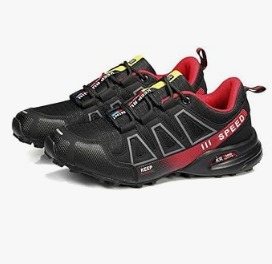
Hiking & Trekking Shoes
Introduction
For outdoor enthusiasts and daily walkers alike, standard footwear often falls short. Many people struggle with persistent foot fatigue, joint pressure, and standard hiking boots that trap heat or cause blisters. Long hours on the trail or standing at work can worsen conditions like plantar fasciitis, lower back discomfort, and knee strain.
These specialized Orthopedic Trekking Shoes offer a practical solution. Designed to merge the rugged durability of outdoor footwear with the targeted support of therapeutic design, they fix the primary issues of poor shock absorption and narrow toe boxes. If you want to enjoy nature or handle active days without sacrificing your physical well-being, these shoes provide a budget-friendly option for the year.
### Pros & Cons
**Pros:**
* **Ergonomic Alignment:** Built-in arch support reduces stress on heels and joints.
* **Highly Breathable:** Moisture-wicking materials allow steady airflow, preventing sweaty feet.
* **Enhanced Shock Absorption:** The cushioned platform sole dampens impact on uneven paths.
* **Spacious Fit:** A wide toe box eliminates pressure points and prevents rubbing.
* **Reliable Traction:** Rugged, anti-slip outsoles provide dependable grip on wet or rocky terrains.
**Cons:**
* **Water-Resistant, Not Fully Waterproof:** They handle light rain and damp grass well, but are not intended for deep water crossings.
* **Sizing Adjustment:** Due to the wide orthopedic structure, some users with narrow feet may need thick socks for an ideal fit.
### Comparison with Similar Products
When compared to high-end mainstream hiking brands like *Lowa* or *Salomon*, which often cost upwards of €150, these orthopedic trekking shoes stand out for their accessibility. While premium brands prioritize rigid ankle protection for extreme mountaineering, they frequently lack built-in therapeutic arch support, forcing users to buy expensive third-party insoles.
Against standard, budget-friendly walking sneakers, this model provides much better structural stability and traction. It bridges the gap perfectly: delivering the joint-relief engineering of high-end orthopedic footwear at a fraction of the cost, making it the top value selection for 2025.
### 8 User Tips & Usage Guide
1. **Measure Accurately:** Check the sizing chart carefully before ordering, keeping the spacious toe box design in mind.
2. **The Sock Rule:** Pair these shoes with moisture-wicking synthetic or merino wool socks to maximize the upper material’s breathability.
3. **Ease Into Them:** If you are new to orthopedic arch support, wear them for 1–2 hours a day initially to let your feet adjust to proper alignment.
4. **Secure Lacing:** Use the top eyelets to secure your heel firmly into the back cushion, preventing internal slipping during downhill walks.
5. **Drying Method:** If they get wet from rain, remove the insoles and let them air-dry naturally away from direct heat sources to preserve the materials.
6. **Insole Customization:** The default insoles provide excellent relief, but they can easily be swapped out if you have custom, doctor-prescribed orthotics.
7. **Maintenance:** Clean dirt and mud off the outsoles using a soft brush after muddy walks to maintain optimal grip.
8. **Versatile Use:** Don’t limit them to the woods; their sleek, supportive design makes them excellent for long shifts on hard floors or city walking.
### Conclusion
These Orthopedic Hiking Shoes are an exceptional choice for anyone who refuses to let foot and joint discomfort ruin their time outdoors.
**Who should buy it?** They are perfect for budget-conscious hikers, casual walkers dealing with ailments like plantar fasciitis, and professionals who spend hours standing on hard surfaces. If you want a supportive, breathable, and highly reliable outdoor shoe that protects your joints without emptying your wallet, this is the ul
timate budget find for 2025.


Reviews
There are no reviews yet.