
Your orders are shipped seamlessly between countries
You have the right to return your orders within 30 days.
Your payments are secure with our private security network.
Description
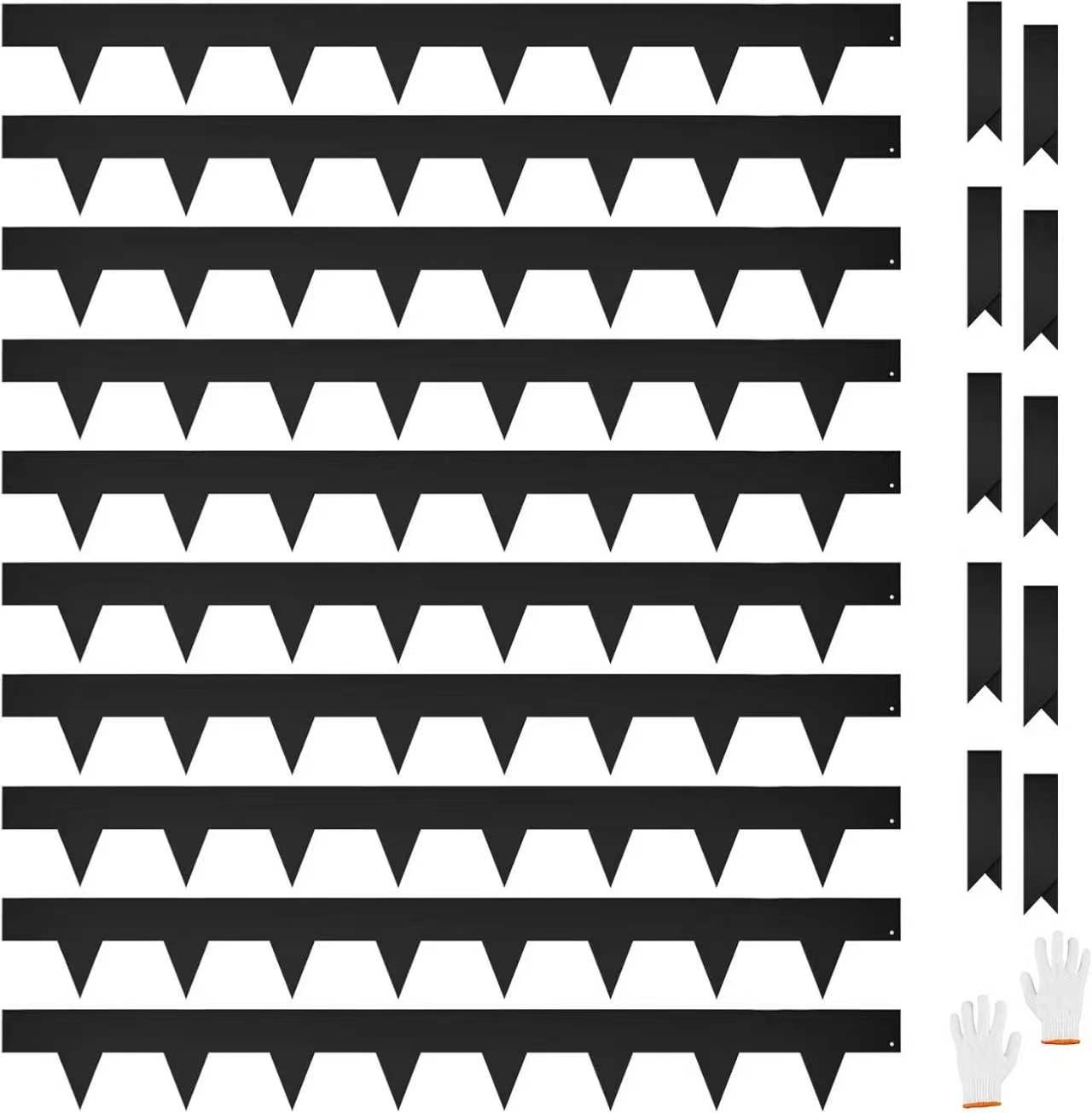
metal edging for landscaping
Introduction
One of the biggest problems in landscaping is maintaining clear separation between lawns, flower beds, mulch, gravel, and pathways. Without proper edging, grass spreads into garden beds, soil spills onto walkways, and landscaping begins to look messy after rain or mowing.
Galvanized landscape edging solves these problems by creating a strong physical barrier that keeps outdoor areas neat and easier to maintain. The flexible design allows homeowners to build straight lines, curves, circles, or decorative shapes depending on their garden style.
This type of edging is commonly used for:
Flower bed borders
Lawn separation
Gravel pathways
Vegetable gardens
Tree rings
Patio borders
Modern landscaping designs
Steel edging has become increasingly popular because it combines durability with a clean minimalist appearance that suits both traditional and modern outdoor spaces.
Pros & Cons
Pros
Strong galvanized steel construction for long-term durability
Resistant to rust and corrosion
Cleaner appearance than plastic edging
Flexible enough for curves and custom landscaping shapes
Helps prevent grass invasion into flower beds
Keeps mulch, gravel, and soil contained
Low maintenance after installation
Suitable for DIY landscaping projects
Works well in modern and minimalist garden designs
Cons
Installation may require digging or trench preparation
Metal edges can be sharp during setup if gloves are not used
Higher upfront cost than basic plastic edging
Thin metal edging may bend under heavy impact
Coastal or highly acidic soil conditions may shorten lifespan over many years
Many gardeners on Reddit also mention that steel edging generally lasts much longer than plastic alternatives, especially in hot outdoor environments where plastic can become brittle and crack.
Comparison With Similar Products
Feature Galvanized Landscape Edging Pathway Divider Plastic Landscape Edging Wooden Garden Borders
Durability High Moderate Moderate
Rust/Rot Resistance Excellent Good Poor over time
Appearance Modern & clean Basic Natural/rustic
Flexibility Good Good Limited
Maintenance Low Medium High
Lifespan Long-term Medium-term Short to medium
Best For Modern landscaping Budget gardens Rustic garden styles
Steel edging is often preferred for homeowners who want a long-lasting landscaping solution without frequent replacement. Plastic edging may cost less initially, but many users report cracking and fading after several seasons.
8 User Tips / Usage Guide
1. Wear gloves during installation to avoid cuts from metal edges.
2. Mark your border layout with rope or spray paint before digging.
3. Dig a shallow trench for a cleaner and more stable installation.
4. Use a rubber mallet when positioning the edging into the soil.
5. Avoid damaging the galvanized coating during installation.
6. Use curves and flowing lines to create a more natural landscape design.
7. Periodically remove dirt buildup to maintain the metal finish.
8. Pair steel edging with mulch or decorative stones for a premium garden appearance.
Experts also recommend preventing standing water around galvanized steel to maximize lifespan and corrosion resistance.
Conclusion
This galvanized landscape edging pathway divider is an excellent choice for homeowners who want a cleaner, more organized outdoor space without spending heavily on professional landscaping services. It combines strength, flexibility, and modern appearance while reducing long-term maintenance compared to plastic or wood borders.
It is particularly well suited for DIY gardeners, homeowners upgrading curb appeal, and anyone looking to create defined borders around lawns, pathways, flower beds, or gravel areas. While it may cost slightly more upfront than plastic edging, the long-term durability and cleaner appearance make it a worthwhile investment for outdoor projects in 2025.

Reviews
There are no reviews yet.